
 United States
 Canada
 Europe
How to Use a Vape Pen: The Ultimate Beginner’s Guide

Just got your first vape pen and staring at it like it’s some kind of puzzle? You’re not alone. Between the buttons, blinking lights, and cart connections, figuring out how to use a vape pen for the first time can feel more complicated than it needs to be. But here’s the good news, once you know the basics, using a vape pen is simple, discreet, and way more straightforward than you might think.
Let’s break down everything you need to know to get started, from charging and attaching your cartridge to dialing in the perfect voltage and mastering your inhale technique.
What Is a Vape Pen?
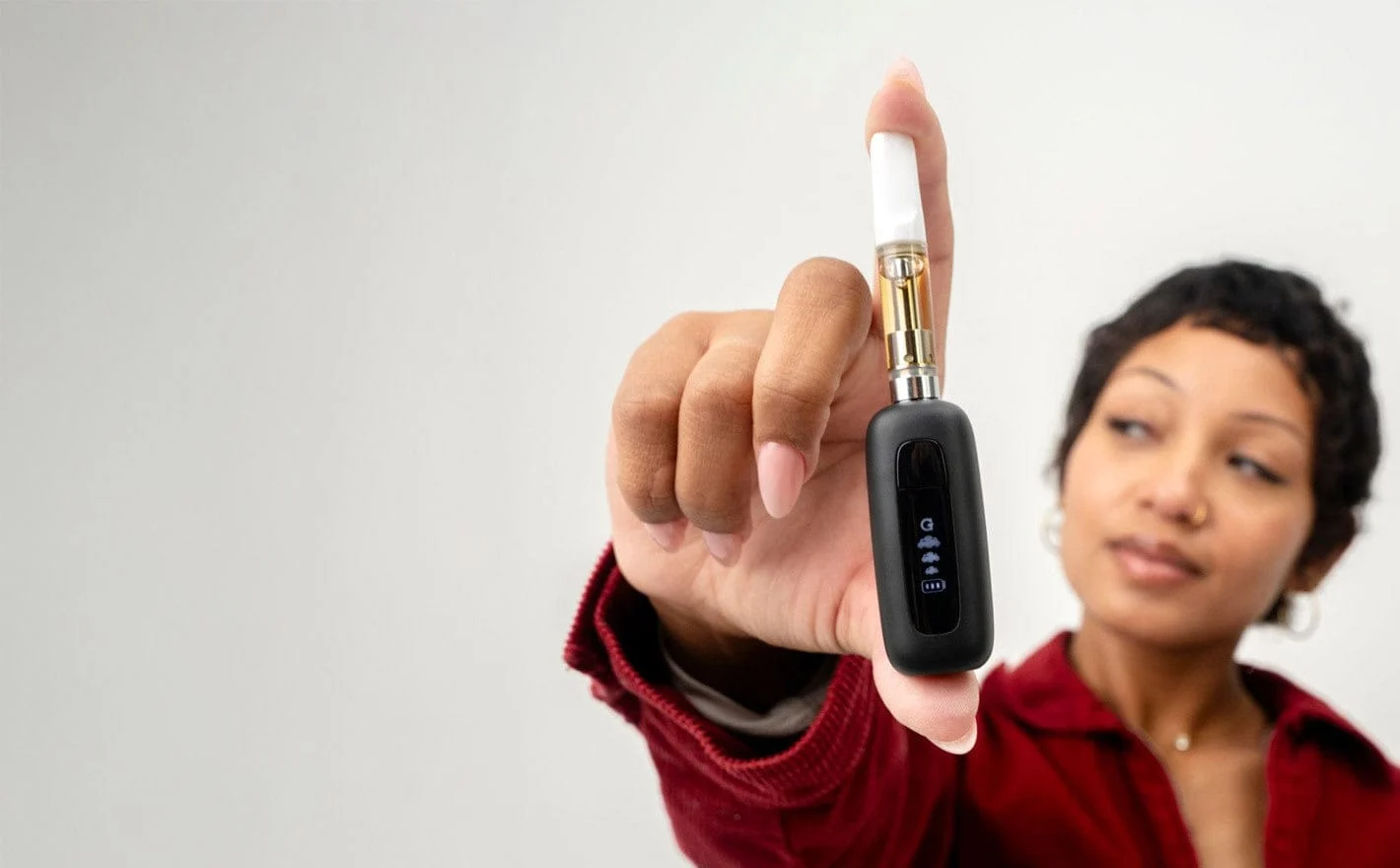
A vape pen is a portable, battery-powered device designed to vaporize cannabis oil, concentrates, or dry herb, depending on the type you’re using. Most beginner-friendly vape pens are 510 thread batteries that pair with prefilled cartridges. These sleek devices heat your material to a temperature that releases active compounds like THC, CBD, and terpenes as vapor, not smoke.
Why do people love vape pens? They’re discreet, portable, and easy to use. No grinding, no rolling, no lighter required. Just charge, attach, and go. For those not familiar with the 510-thread ecosystem, it’s the industry-standard connection that allows most cartridges and batteries to work together seamlessly, kind of like USB for vapes.
How Vape Pens Work
Before we dive into how to use a vape pen, let’s quickly cover the mechanics. Understanding what’s happening inside your device makes everything else click into place.
The Basic Components
Every vape pen, whether it’s a 510 cartridge battery, dry herb vaporizer, or concentrate pen, has a few core parts:
- Battery: The power source, usually rechargeable via USB-C or micro-USB. This is what heats everything up.
- Atomizer or Heating Element: The coil or chamber that gets hot when you press the button or inhale.
- Cartridge or Chamber: Holds your oil, concentrate, or dry herb. For 510 batteries, this is the threaded cart you screw on top.
- Mouthpiece: Where you inhale the vapor.
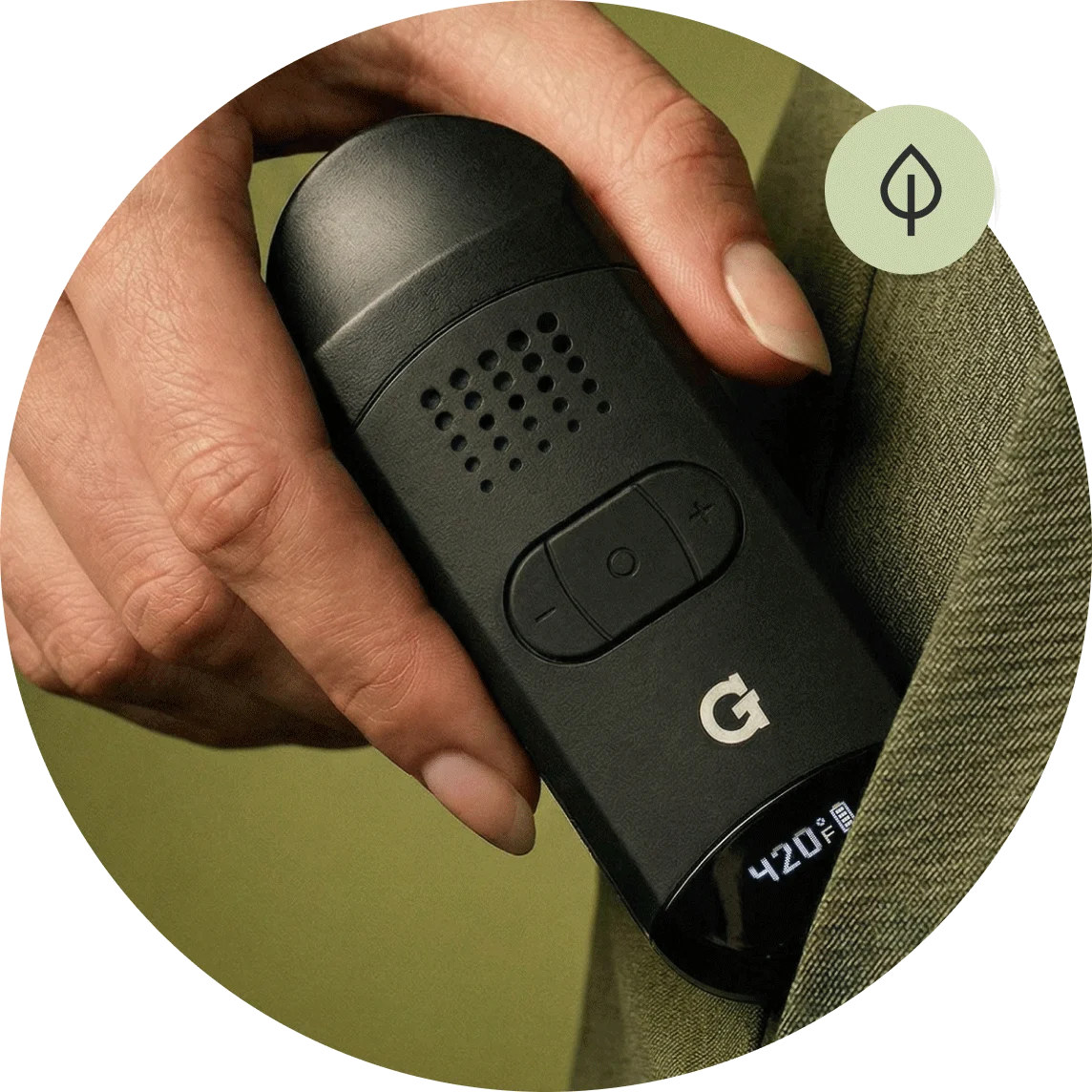
Some devices, like the G Pen Hydout, add smart features, LED displays, voltage control, preheat modes, but the fundamentals stay the same across the board.
What Happens When You Hit It
When you press the button (or draw if it’s auto-draw), the battery sends power to the atomizer. The coil heats up, vaporizing the oil or material in the cartridge without burning it. You inhale that vapor through the mouthpiece. Simple as that. And by not combusting your material, you can really taste the herb’s full flavor, plus it’s easier on your lungs than smoking.
Types of Vape Pens (Quick Breakdown)
Not all vape pens are created equal. Here’s a quick rundown of the three main types you’ll encounter:
510 Cartridge Batteries: The most beginner-friendly option. These pair with prefilled or refillable oil cartridges and are the go-to for cannabis concentrates. Devices like the G Pen Hydout fall into this category, sleek, portable, and designed for low-key sessions with high-end performance.
Dry Herb Vaporizers: These heat ground flower instead of oil. Options like the G Pen Dash+ let you dial in precise temperatures to extract flavor and effects from your favorite strains without combustion.
Concentrate/Wax Pens: Built for dabs and wax, these devices use specialized chambers and coils. The G Pen Micro+ is a perfect example, compact, powerful, and engineered for thick concentrates.
Most beginners start with a 510 thread battery because they’re the easiest to use and widely compatible with cartridges from licensed dispensaries.
How to Use a Vape Pen (Step-by-Step)
Ready to fire up your device? Here’s your complete walkthrough on how to use a vape pen for the first time, broken down into six simple steps.
Step 1: Charge Your Vape Pen
Before anything else, plug in your vape pen and let it fully charge. Most devices come with a USB charging cable, newer models like the Hydout use USB-C fast charging so you’re not waiting around forever. Battery safety matters, so always use the manufacturer-recommended charger and avoid overcharging.
Pro tip: Check the LED indicator. Most pens light up red or blink while charging and turn green or solid when ready to go. If you’re wondering how long to charge a vape pen, plan for 1–3 hours depending on battery capacity.
Step 2: Attach Your Cartridge (for 510 Batteries)
Once your battery is charged, it’s time to connect your prefilled vape cartridge. Gently screw the cartridge onto the 510 thread, snug, not tight. Overtightening can push down the center pin or damage the connection, which is one of the most common reasons a vape pen won’t hit.
For dry herb or concentrate pens, you’ll load your chamber according to the manual. Either way, don’t force anything, these devices are designed for easy, intuitive assembly.
Step 3: Turn It On
Here’s where people get stuck: how to turn on a vape pen. Most push-button devices use the same method, press the power button five times rapidly. You’ll see the LED flash to confirm it’s on. Standard 510 battery instructions follow this pattern across brands, so it’s muscle memory once you learn it.
Some newer pens are auto-draw, meaning they activate when you inhale, no button needed. Check your device manual if you’re unsure which type you have.
Step 4: Adjust Temperature (if Applicable)
If your device has vape pen voltage settings, now’s the time to dial them in. Lower voltages (around 2.4–3.0V) preserve flavor and terpenes; higher settings (3.4–3.8V) produce bigger clouds and stronger hits. For THC cartridges, experts recommend staying in the 2.5–3.5V range to avoid burning the oil or degrading cannabinoids.
Many batteries like the Hydout let you cycle through voltage presets with three quick clicks. Start low and work your way up until you find your sweet spot.
Step 5: Inhale Properly
This is the big one: how to hit a vape pen correctly. Press and hold the button (if it’s button-activated), then take a slow, steady draw for about 3–5 seconds. Don’t pull like you’re sipping a thick milkshake, gentle, controlled airflow is the key to smooth, flavorful vapor.
Let go of the button before you stop inhaling to clear any residual vapor from the chamber. Exhale, then wait 10–15 seconds before your next puff. Chain-hitting (taking back-to-back draws without pausing) can overheat the coil and lead to burnt taste or clogging.
Step 6: Start Low
If you’re new to cannabis or trying a new cart, the golden rule is start low and go slow. Take one or two puffs, then wait 5–10 minutes to gauge the effects. Consumer safety guidance from regulators emphasizes pacing yourself, especially with potent concentrates.
You can always take more, you can’t take less. Your lungs and your sesh will thank you.
How to Hit a Vape Pen Correctly
Let’s zero in on inhalation technique, because how to inhale a vape makes all the difference between a satisfying session and a coughing fit.
Slow draws win. Aim for a gentle 3–5 second inhale. Fast, hard pulls can flood the coil or restrict airflow, leading to weak vapor or a burnt hit. Think of it like sipping hot coffee, smooth and controlled, not rushed.
Don’t chain hit. Give your device a breather between puffs. The coil needs time to re-saturate with oil and cool slightly. Pausing 10–15 seconds between draws keeps everything running optimally and extends the life of your cartridge.
Let the coil heat properly. If you have a preheat function (common on devices like the Hydout), use it before your first draw. This warms up thick oils and primes the wick, ensuring a consistent hit from the jump.
Common Mistakes Beginners Make
Even with simple devices, a few rookie errors can trip you up. Here’s what to avoid:
- Pulling too hard: This restricts airflow and can cause spit-back or weak vapor. Gentle draws are always better.
- Using high temps immediately: Cranking your voltage to the max might seem like a shortcut to bigger clouds, but it degrades flavor and can burn your oil. Start low.
- Not charging properly: Leaving your pen plugged in overnight or using the wrong charger can damage the battery. Follow manufacturer charging guidelines.
- Overtightening the cartridge: Screw it on snug, not Hulk-tight. Overtightening depresses the center pin and breaks the electrical connection.
- Ignoring blinking lights: Those blinks are trying to tell you something, low battery, connection issue, or short circuit. Check your manual for vape pen blinking meanings specific to your device.
Why Your Vape Pen Isn’t Working
Troubleshooting time. If your pen isn’t hitting, here are the usual suspects and how to fix them:
Battery dead: The most obvious culprit. Plug it in and charge fully before trying again.
Cartridge not connected: Unscrew and reattach your cart, making sure the threads are clean and the connection is firm but not forced.
Blinking light meanings: Rapid blinking often signals a connection error, low battery, or short circuit. Different brands use different blink codes, so consult your manual or support page.
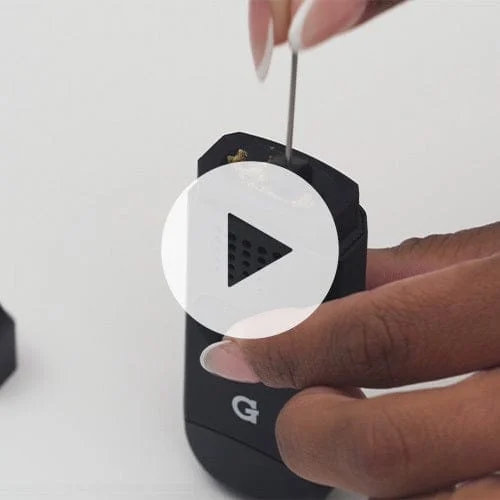
Airflow blockage: If you’re getting minimal vapor, your mouthpiece or airway might be clogged. Try gently clearing it with a toothpick or taking a few dry “primer” puffs without pressing the button.
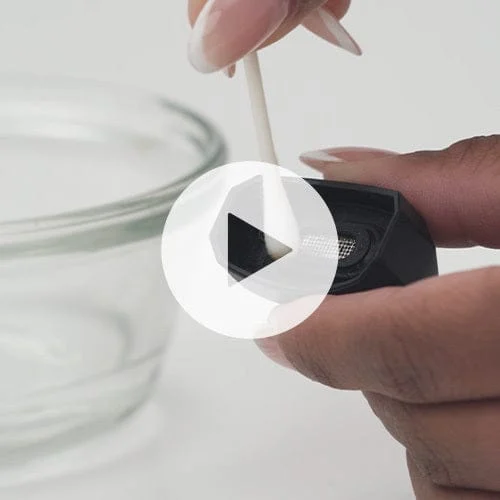
Dirty 510 threads: Residue buildup can interfere with the connection. Use a cotton swab dipped in isopropyl alcohol to clean both the battery threads and the cart base. Let everything dry completely before reconnecting.
For deeper vape pen troubleshooting, check out G Pen’s FAQ page or reach out to customer support.
Tips for the Best Vape Experience
Want to get the most out of every cartridge and session? Follow these best practices:
Keep your device clean. Wipe down the mouthpiece and clean 510 threads regularly with isopropyl alcohol. A clean pen performs better and tastes better.
Store cartridges upright. Storing vape cartridges upright prevents oil from leaking into the airway and keeps the wick properly saturated. Avoid leaving your pen in hot cars or direct sunlight, heat degrades cannabinoids and can cause leaks.
Use quality cartridges. Stick with lab-tested, licensed products from reputable brands. Illicit or adulterated carts were linked to serious health issues during the 2019–2020 EVALI outbreak, so buying from legal sources matters.
Charge regularly. Don’t let your battery drain to zero repeatedly, lithium-ion cells last longer when you keep them between 20–80% charge.
Experiment with settings. Once you’re comfortable, try different voltage levels and temperatures to dial in your ideal balance of flavor, cloud production, and effects.
Choosing the Right Vape Pen
If you’re still shopping for your first device, here’s what to look for in a beginner-friendly 510 battery:
Simple controls: Devices with one-button operation and clear LED indicators make the learning curve painless.
Adjustable voltage: Even if you don’t think you’ll use it right away, having the option to tweak your settings is a game-changer as you gain experience.
Preheat mode: Essential if you’re using thick oils or live resin carts. A quick preheat warms everything up and prevents clogs.
USB-C charging: Faster, more convenient, and future-proof compared to older micro-USB ports.
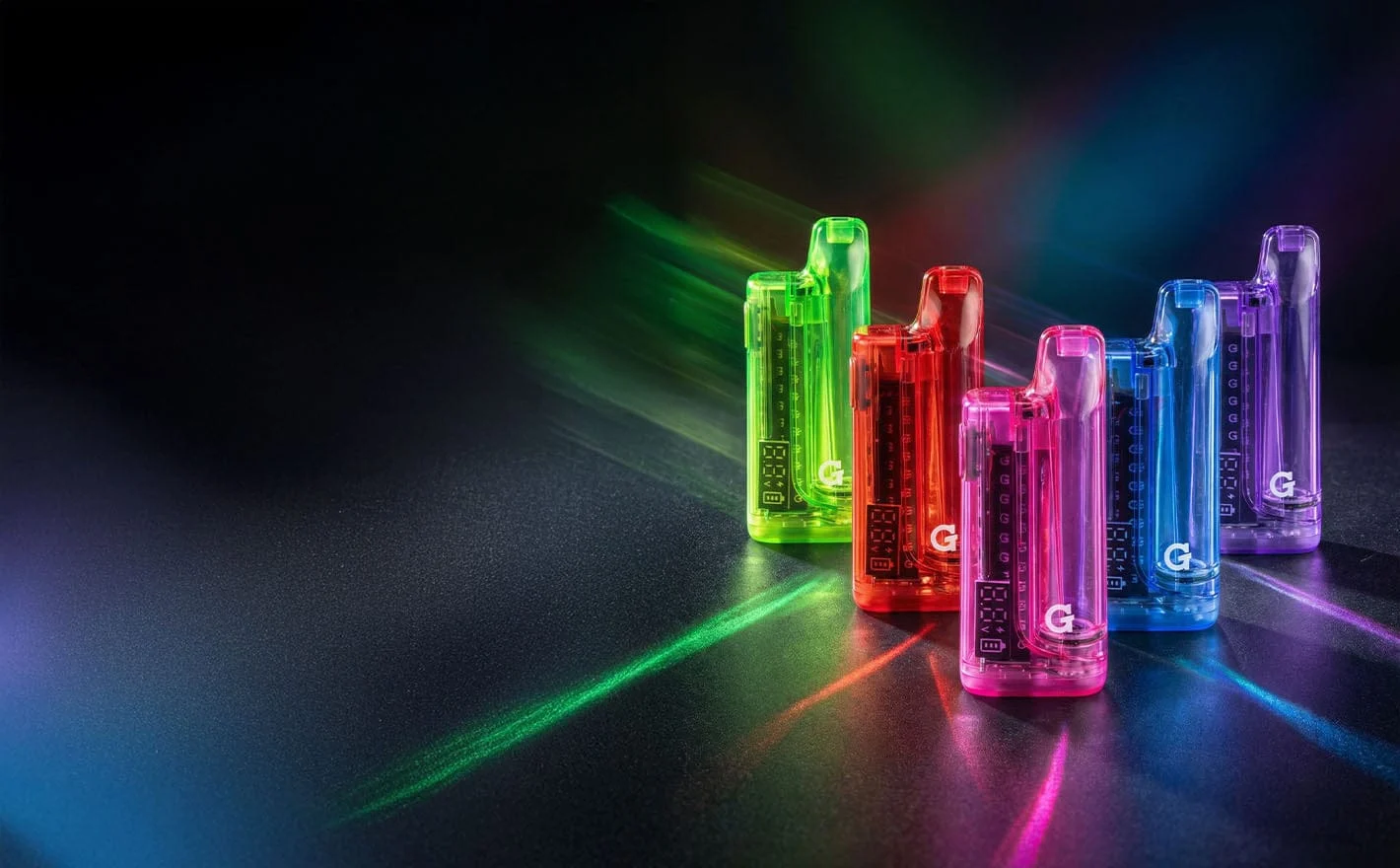
Compact and discreet: Pocket-friendly designs like the G Pen Hydout let you fly under the radar without sacrificing power or features. The Hydout packs five voltage settings (2.4–3.8V), a magnetic cover for stealth mode, and compatibility with carts up to 2g, serious power in a small package.
For dry herb enthusiasts, the Dash+ offers precise temperature control and an OLED display at an accessible price point. Whatever your material of choice, there’s a vape pen built to match your needs.
Frequently Asked Questions
How do I know when my vape pen is ready?
Most devices show a solid or green LED when fully charged and powered on. If the light blinks when you press the button, it’s usually ready to hit. Consult your manual for device-specific indicators.
How many puffs should I take?
Start with 1–2 puffs and wait 5–10 minutes to assess effects. You can always take more, but it’s impossible to undo an uncomfortable experience. Start low, go slow.
Do vape pens smell?
Vapor produces far less odor than smoke, and it dissipates quickly. You’ll notice a faint scent during use, but it won’t linger on clothes or furniture the way combustion does.
How long should I inhale?
Aim for a slow, steady 3–5 second draw. Any longer and you risk overheating the coil or wasting battery. Quality over quantity.
Why is my vape pen blinking?
Blinking can signal a low battery, connection issue, short circuit, or that you’ve exceeded the auto-shutoff time (usually 8–10 seconds). Check your user manual for the exact meaning, different brands use different codes.
How many clicks to turn on a vape?
Most vape pens use five rapid clicks to power on or off. Some models use three clicks to cycle voltage settings and two clicks for preheat. Always refer to your specific device instructions.
What’s the best voltage for THC carts?
The sweet spot for most THC cartridges is between 2.5–3.5V. Lower voltages preserve terpenes and flavor; higher settings produce denser vapor. Start low and adjust based on your oil’s viscosity and your personal preference.
What temperature should I vaporize dry herb?
For dry herb vaporizers, flavor-forward sessions typically run around 320–365°F (160–185°C), while fuller extraction and bigger clouds happen at 375–410°F (190–210°C). Experiment within that range to find your ideal setting.
Ready to Elevate Your Vape Game?
Whether you’re just diving into the world of vape pens or you’re a seasoned sesher looking to refine your technique, mastering the basics, charging, connecting, voltage control, and proper inhalation, unlocks a smoother, more flavorful, and more consistent experience. And with beginner-friendly devices like the G Pen Hydout, you get smart features and premium performance without the learning curve.
Keep your device clean, store your carts upright, start with low voltage, and pace your sessions. Your vape pen is more than just a battery, it’s your go-to gadget for discreet, flavorful, and totally customizable sessions on the go.
Ready to experience vaping done right? Shop G Pen’s full lineup of vaporizers and find the perfect device for your lifestyle today.