
 United States
 Canada
 Europe
What is a 510 Battery and Vape Cartridge?
If you’re new to vaping or just curious about the gear, you’ve probably heard the terms “vape cartridge” and “510 battery” tossed around. These two components work together to deliver your favorite oils, distillates, or concentrates in a simple, portable package. The cartridge is the vessel that holds and vaporizes the material, while the battery powers the process, most often using the universal 510 thread connection that’s become the industry standard.
In this guide, we’ll break down exactly what each part does, how they work together, and why understanding the basics can help you choose the right setup for your needs.
Using a 510 Battery
A 510 battery powers your vape cartridge by sending electricity to its coil, which heats up and vaporizes the oil inside. When you activate the battery, either by pressing a button or simply inhaling, the internal circuit controls the flow of power through the 510-thread connection. Some batteries let you adjust voltage or wattage to change the heat level, which affects flavor, vapor density, and throat hit. Knowing how these parts work and how to use your battery properly will help you get the best vaping experience while keeping your device safe and lasting longer.
How 510 Batteries Work
When the battery is activated (by pressing the button or inhaling), the circuit board delivers power from the battery cell to the cartridge’s coil through the 510 threaded connector. The coil heats up, vaporizing the oil inside the cartridge. Adjustable batteries modulate the voltage or wattage to control how hot the coil gets, affecting vapor quality, flavor, and throat hit.
How to Use a 510 Battery
Using a 510 battery is straightforward once you know the basic steps. From charging your device and attaching the cartridge to powering it on and adjusting settings, each part plays a role in a smooth vaping experience. Preheating can help with thicker oils, and knowing how to inhale correctly ensures the best hits. Properly turning off and storing your battery will keep it working longer and prevent issues. The following steps guide you through using your 510 battery safely and effectively.
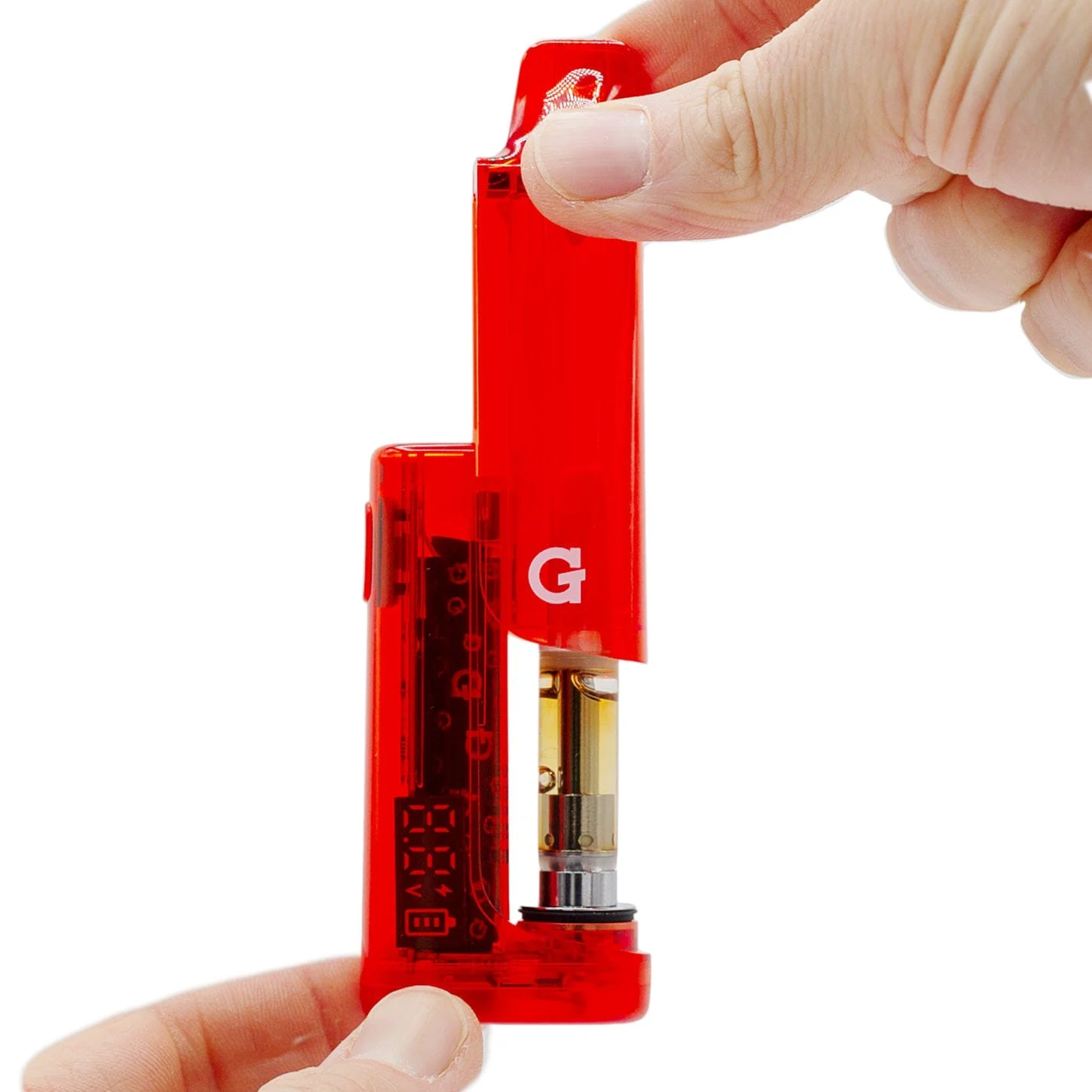
Charge Your Battery: Use the supplied USB cable and charger. Ensure it’s fully charged before first use.
Attach Cartridge: Screw your 510-thread cartridge carefully onto the battery connector. Avoid overtightening.
Power On: Typically, click the power button 5 times rapidly to turn on/off.
Adjust Settings (If applicable): Use voltage/wattage buttons to select your preferred power level.
Preheat (If available): Hold down the button without inhaling for a few seconds to warm thick oils.
Inhale and Vape: Press the button while inhaling (button-activated) or simply inhale (auto-draw).
Power Off: Turn off after use to save battery and prevent accidental activation.
Store Safely: Keep battery dry, cool, and upright to prevent damage or leaks.
Choosing the Right Vape Cart Battery for Your Needs
Not all vape cart batteries are created equal. The right option depends on how, where, and how often you plan to use it. Some users prioritize compact size and discretion, while others look for adjustable voltage and longer battery life.
When selecting a 510 thread battery, it’s important to consider factors like voltage output, form factor, and ease of operation. Whether you’re new to cartridges or upgrading your setup, choosing a battery designed to match your usage style can significantly improve vapor quality and overall experience.
What to Consider When Buying a 510 Battery
Battery capacity determines how long you can vape before needing to recharge. Adjustable voltage or wattage lets you customize your experience. It’s important to check threading compatibility to ensure your cartridge fits properly. Charging options, safety features, size, and display indicators also play a role. Some batteries even include preheat modes to help with thicker oils. Considering these factors will help you choose a battery that matches your vaping style and needs.
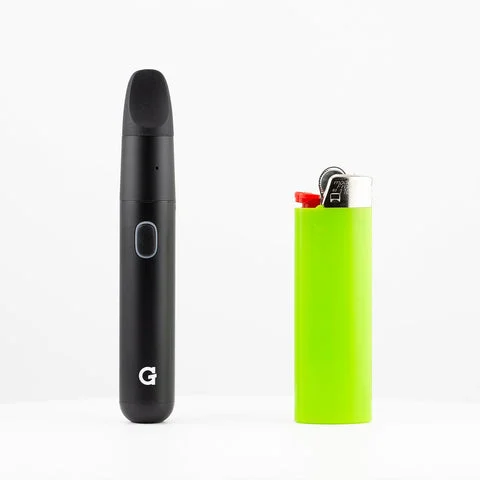
Battery Capacity (mAh): Ranges typically from 350mAh (compact) up to 1500mAh+ (high capacity), affects how long you can vape before recharging.
Voltage/Wattage Range: Adjustable batteries usually cover a range from about 2.0V to 4.8V or 5W to 20W.
Threading Compatibility: Most use 510 threading, but always verify to avoid cross-threading.
Charging Type: USB-C is faster and more durable than micro-USB; some have pass-through charging to vape while charging.
Safety Features: Overcharge protection, short circuit protection, and low voltage cutoff.
Size and Form Factor: Choose based on portability vs battery life needs.
Indicator Lights: Multiple-color LEDs or digital displays to communicate battery life and settings.
Preheat Mode: Allows warming up thick oils before vaping.
Discreet Vape Batteries for Everyday Use
Discreet vape batteries are designed with portability and low-profile use in mind. Slim, pen-style designs easily fit in a pocket or bag, making them ideal for on-the-go sessions. Many discreet vape cart batteries feature single-button operation or draw-activated firing, allowing for quick and subtle use without drawing unnecessary attention.
Compact 510 thread batteries are especially popular among users who want a clean, minimal look while maintaining reliable performance throughout the day.
Buy a 510 Battery Online
When you’re ready to buy a 510 battery online, two standout options worth considering are the G Pen Hydout and Micro+ Battery. The Hydout is designed for discretion and portability, making it one of the best choices for those who value a sleek, pocket-friendly device with powerful performance. On the other hand, the Micro Battery offers a compact yet versatile design with universal 510-thread compatibility, giving you reliable sessions with a wide range of cartridges. Whether you want a feature-packed discreet option or a minimalist, dependable battery, both deliver quality and convenience for your vaping needs.
Vape Cartridge Breakdown
A vape cartridge is a small, pre-filled (or refillable) container that holds cannabis oil, CBD oil, nicotine e-liquid, or other concentrates, designed to be used with a compatible battery. It’s a key part of most portable vaping setups, providing a convenient, mess-free way to enjoy vapor on the go. Cartridges connect to a battery, generally via a 510 thread, and use heat to turn liquid into inhalable vapor.
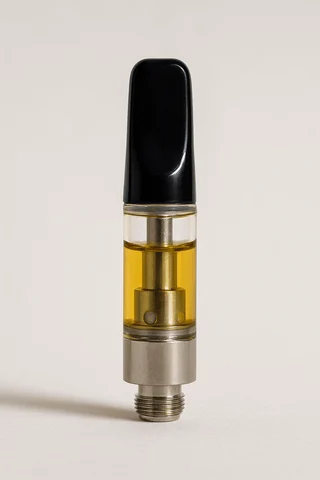
Components of a Vape Cart
While designs vary slightly, most cartridges have the following parts:
Mouthpiece (Drip Tip): The part you inhale from, usually made of plastic, metal, or ceramic.
Chamber (Tank): The clear or opaque body that holds the oil or liquid.
Heating Element (Coil/Atomizer): A small coil, often wrapped around ceramic or quartz, that heats up to vaporize the liquid.
Wick (in Some Models): Cotton or silica material that draws liquid toward the heating coil.
Center Post & Contacts: Metal components that connect the cartridge to the battery and carry the electrical current.
Base/Threading: The part that screws into the battery, most often using the 510 thread standard.
Types of Vape Cartridges
Vape cartridges come in several types, each offering different benefits depending on how you like to vape. Some cartridges come pre-filled and ready to use, while others can be refilled for more control. The materials used inside, like ceramic or quartz coils, affect flavor and vapor quality. There are also disposable all-in-one pens that combine battery and cartridge for easy use and disposal. Understanding these options can help you pick the right cartridge for your needs and preferences.
Pre-Filled Cartridges: Already loaded with oil, these are disposable once empty. Common for cannabis and CBD use.
Refillable Cartridges: Can be manually refilled with your choice of liquid or oil, offering more flexibility.
Ceramic Coil Cartridges: Use ceramic elements to produce a cleaner flavor and smoother vapor.
Quartz Coil Cartridges: Heat up faster and can produce denser clouds, often preferred for thicker concentrates.
Disposable All-in-One Pens: Combine battery and cartridge into a single unit, thrown away after the oil runs out.
Using a Vape Cart
Using a vape cartridge is simple once you understand the basic steps. From checking compatibility to attaching the cartridge and turning on the battery, each part of the process matters for a smooth vaping experience. Some devices offer extra features like preheating and adjustable power to customize your hits. Knowing how to use and store your vape cart properly will help you get the best flavor and performance every time.
How Vape Cartridges Work
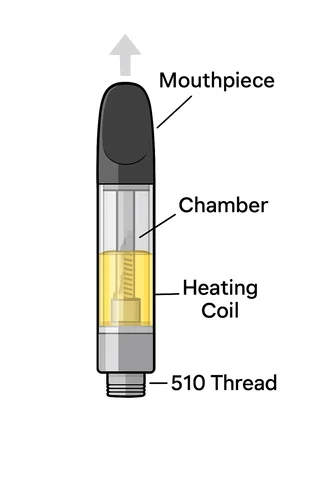
When you press the battery’s power button (or draw on an auto-draw device), electricity flows through the center post to the coil. The coil heats up, vaporizing the oil drawn in by the wick. The vapor then travels through the center tube and mouthpiece to be inhaled. In pre-filled carts, oil consistency and coil resistance are optimized for smooth, even vaporization.
How to Use a Vape Cartridge
Using a vape cartridge is easy once you know the basic steps. First, make sure your 510 cartridge is compatible with your battery. Then, attach it carefully and turn on your device if needed. Some batteries offer preheat and adjustable power settings to improve your experience. When you’re ready, simply inhale while activating the battery. Proper storage afterward helps keep your cartridge working well and prevents leaks. Following these steps ensures smooth, flavorful hits every time.
Check Compatibility: Ensure your cartridge matches your battery’s thread type (most are 510).
Attach to Battery: Screw the cartridge gently onto the battery, don’t overtighten.
Turn On Battery: (If required) Usually 5 quick presses of the button.
Preheat (Optional): Some batteries have a preheat mode for thick oils.
Adjust Voltage/Power: Start low to avoid burning the oil, then increase as needed.
Inhale: Press the button while inhaling, or simply draw if using an auto-draw battery.
Store Properly: Keep upright to prevent leaks and away from extreme heat or cold.
What to Consider when Buying a Vape Cartridge
When buying a vape cartridge, several key factors can affect your overall experience. The cartridge’s capacity determines how much oil it holds, while the coil material influences flavor and vapor quality. Thread type is important for compatibility with your battery, and adjustable airflow lets you control the draw and vapor density. It’s also crucial to pick a cartridge that works well with your oil’s thickness, and the mouthpiece shape can impact comfort during use. Considering these details helps you find the best cartridge for your needs.
Capacity: Usually between 0.5g and 1g for cannabis oils.
Coil Material: Ceramic, quartz, or metal, each affects flavor and vapor production.
Thread Type: Most commonly 510-thread, but some proprietary systems exist.
Airflow: Adjustable airflow can customize draw resistance and vapor density.
Oil Viscosity Compatibility: Not all cartridges handle thick concentrates well, choose one designed for your liquid type.
Mouthpiece Shape: Round, flat, or wide-bore for personal comfort and style.
510 Battery Breakdown
When it comes to cartridge vaping, the 510 battery is the unsung hero powering the entire experience. Named for its standardized threaded connection, this versatile little powerhouse works with a huge range of vape cartridges, making it the go-to choice for both beginners and seasoned users. But not all 510 batteries are created equal; differences in size, voltage settings, design and features can dramatically change performance, flavor, and portability. Understanding how they work and what to look for will help you choose the right one for your needs.
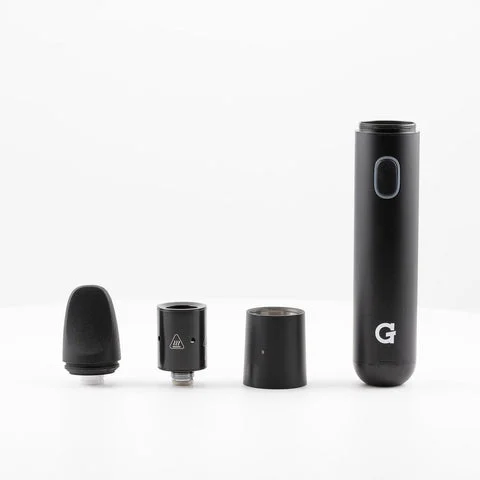
What Is a 510 Thread Battery and How It Works
A 510 thread battery is the most common power source used for vape cartridges, named after the universal threading that connects the battery to the cart. This standardized connection allows most vape cart batteries to work seamlessly with a wide range of oil and distillate cartridges. Once connected, the battery delivers power to the cartridge’s heating element, vaporizing the oil for smooth and controlled inhalation.
Because of their versatility and ease of use, 510 thread batteries have become the industry standard for cartridge-based vaping, especially for users who value simplicity, compatibility, and discreet performance.
Threaded Connection (510 Thread): The universal screw-like connector that attaches the battery to a compatible cartridge; “510” refers to the threading standard used across most vape devices.
Power Button (or Draw-Activation Sensor): On manual batteries, the button activates the heating element; on draw-activated models, an internal sensor detects your inhale to start vapor production.
Battery Cell: The rechargeable power source (often lithium-ion) that supplies electricity to heat the cartridge’s coil.
Voltage/Power Control: A button, dial, or pre-set modes that let you adjust the output for different vapor intensity and flavor profiles.
LED Indicator Light: Signals battery status, voltage level, activation, and charging progress.
Internal Circuit Board & Safety Features: Manages power flow and provides protections like short-circuit prevention, overcharge protection, and automatic shut-off.
Charging Port: Usually micro-USB, USB-C, or a screw-on USB adapter; allows the battery to be recharged.
Outer Casing: The shell (metal or durable plastic) that houses and protects the internal components, often designed for comfort and portability.
Types of 510 Batteries
510 batteries come in many types to suit different vaping styles and preferences. Basic standard batteries offer simple fixed voltage and easy operation. Variable voltage and wattage batteries let you adjust power for better flavor and vapor control. Auto-draw models activate with each inhale, making them very user-friendly. You can also find slim pen-style batteries for portability, larger box mods with extra features, and versatile pod system batteries that work with 510 cartridges using adapters. Knowing these options helps you pick the right battery for your needs.
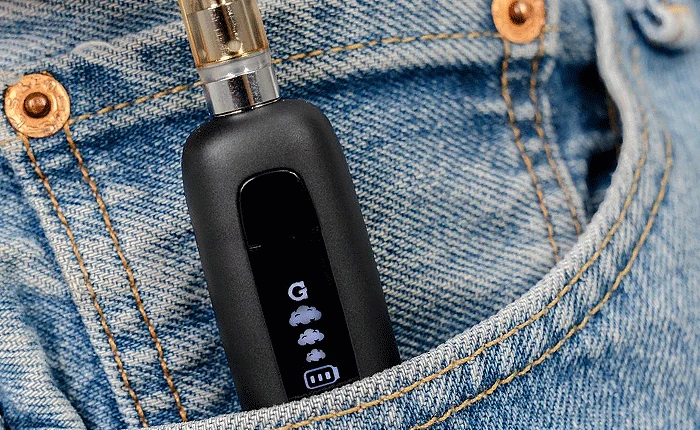
Standard 510 Batteries: Basic batteries with fixed voltage (often around 3.3V to 4.2V) and a simple on/off button.
Stealth 510 Batteries: A stealth 510 battery is a compact and discreet device that is designed to look unassuming while delivering smooth, reliable hits on the go.
Variable Voltage (VV) Batteries: Allow you to adjust the output voltage to customize vapor density and flavor intensity.
Variable Wattage (VW) Batteries: Control wattage output instead of voltage, providing more precise heat control.
Auto-Draw Batteries: No buttons needed, simply inhale to activate the heating element automatically.
Slim or Pen-Style Batteries: Compact, discreet, and easy to carry, designed to mimic a pen shape.
Box Mod Style 510 Batteries: Larger devices with advanced controls, displays, and extended battery life.
Pod System Batteries with 510 Adapter: Versatile devices that can switch between pods and 510 cartridges via adapters.